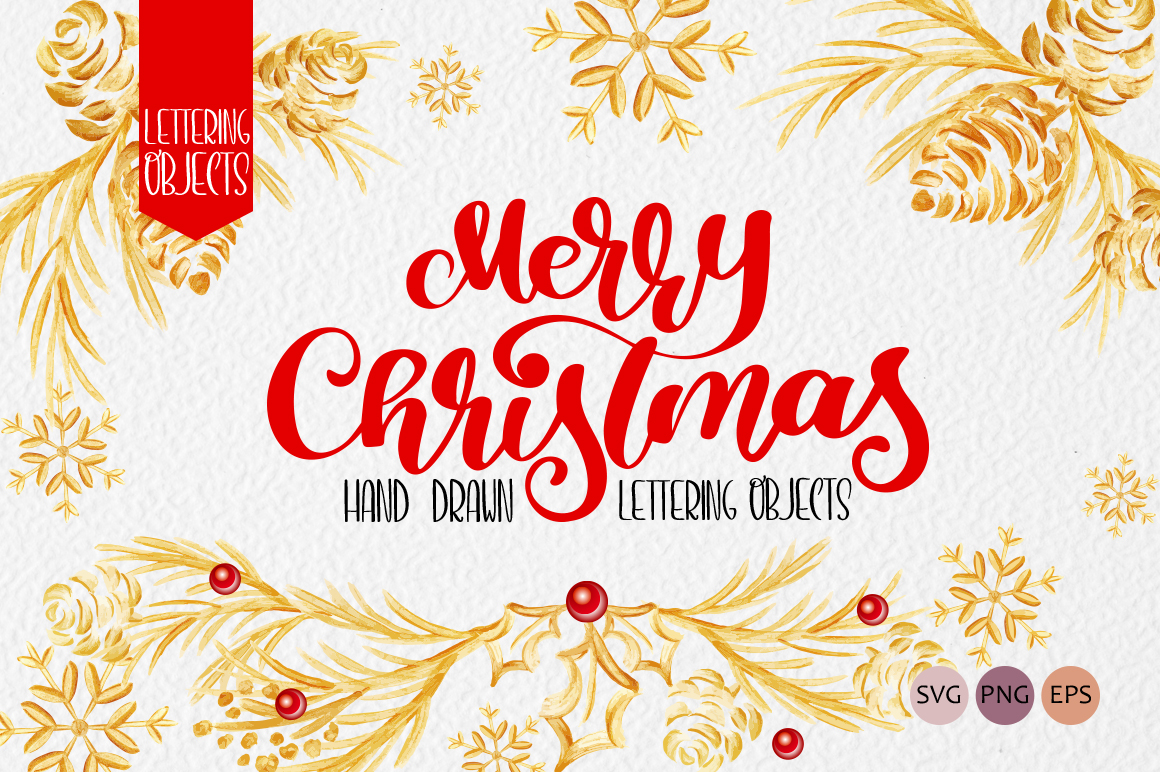
Merry Christmas Hand Drawn Lettering Objects
First Impressions: Warm, Whimsical, and Unmistakably Handmade
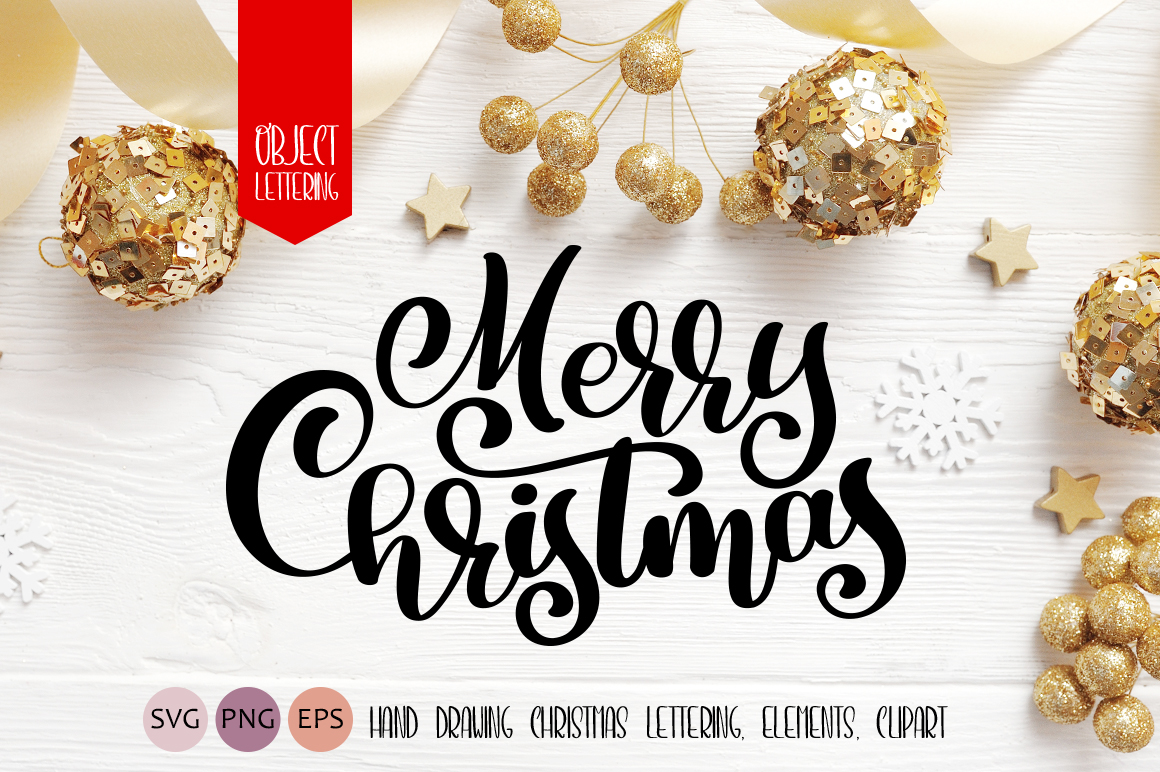
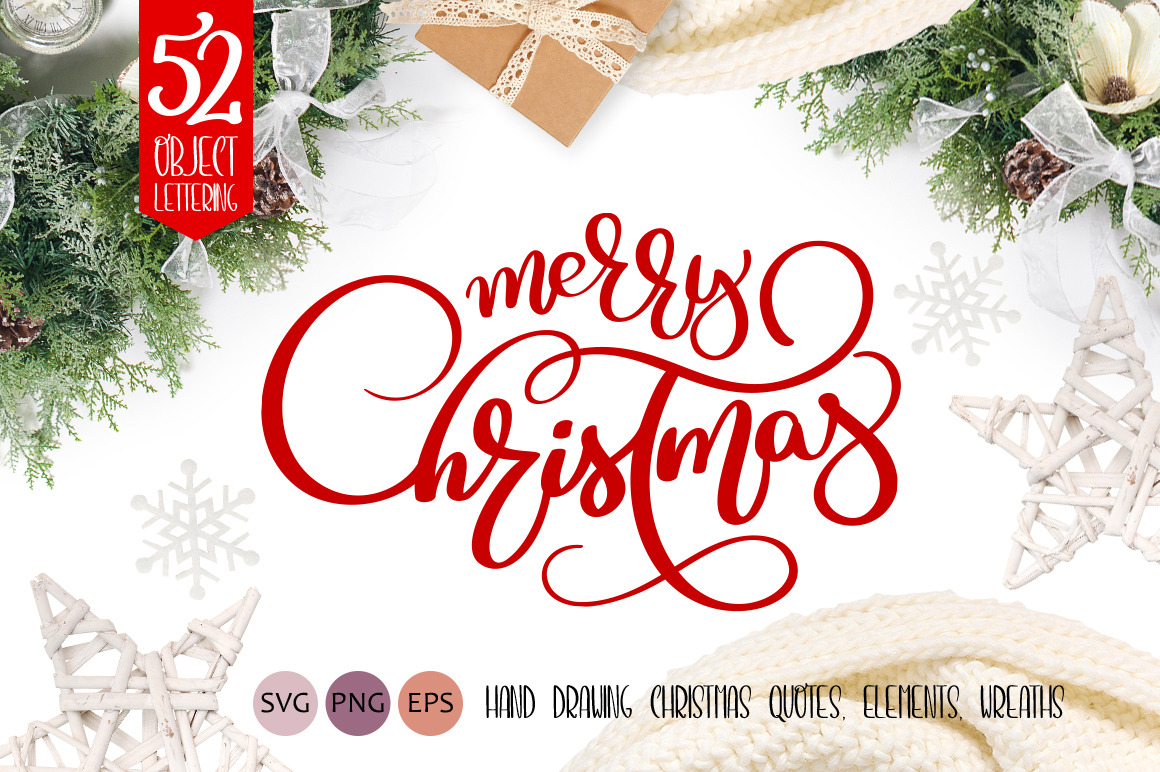
Opening Merry Christmas Hand Drawn Lettering Objects feels like flipping through a sketchbook left open on a cozy studio desk—loose linework, gentle imperfections, and a quiet confidence in its simplicity. It’s not flashy or overly ornate; instead, it leans into charm through asymmetry, subtle weight shifts in the letterforms, and small illustrative touches: a sprig tucked beside “Merry,” a tiny star dotting the “i” in “Christmas.” This isn’t a rigid typographic lockup—it breathes. That’s exactly what makes it compelling for real embroidery work: it promises authenticity, not automation.
A Real Project Test: Embroidering a Linen Kitchen Towel for Holiday Gifting
Last week, I prepped a batch of custom holiday kitchen towels for a local boutique—linen blend, medium weight, natural off-white. I chose Merry Christmas Hand Drawn Lettering Objects for the front panel, centered just below the hem. Why? Because linen reads best with designs that don’t fight its texture—and this one doesn’t. The lettering has enough line variation to hold visual interest without demanding ultra-fine detail. No tight corners collapsed under satin stitch, no fragile stems vanished into fill stitch. Even at 3.8" wide (my preferred size for towel front placement), the “O” in “Christmas” retained its soft roundness, and the hand-drawn “g” tail stayed legible—not lost in thread buildup.
Where It Shines: Contexts That Elevate Its Personality
- Custom apparel: Works beautifully on relaxed-fit sweatshirts and cotton tees—especially when paired with minimal topstitching or a single accent color. The looseness reads as intentional, not sloppy.
- Tote bags & aprons: Its horizontal flow anchors well on wide, flat surfaces. No awkward stretching across seams or distortion on gussets.
- Baby items & nursery decor: Gentle scale and non-cluttered layout make it ideal for onesies, burp cloths, or pillow covers—soft enough for delicate use, distinct enough to feel special.
- Embroidered patches: Holds up cleanly when stitched out on twill backing and heat-applied. The outlines are clear but forgiving—no micro-details that fray at the edges after washing.
- Holiday gifts & boutique merchandise: Feels personal without needing customization—ideal for small shop product lines where consistency matters, but mass production doesn’t.
Where to Pause—and Plan Ahead
This isn’t a one-size-fits-all embroidery file. Its hand-drawn nature means some considerations aren’t optional—they’re essential:
- Small hoop sizes (under 4"): Trimming the design down risks flattening character. The “r” in “Merry” loses its curl; the star dot shrinks into invisibility. Stick to 4.5" wide minimum for clarity.
- Textured or stretchy fabrics: On terry cloth towels or ribbed knit caps, stabilize generously—this design relies on clean line definition, and fabric movement blurs that intention.
- Dark or heavily printed backgrounds: Test contrast early. Light-thread versions can disappear on charcoal or navy unless you add an underlay or switch to matte thread.
- Frequent-wash items (baby clothes, tea towels): Confirm stitch density isn’t overly aggressive—dense fills trap moisture and wear faster. A balanced mix of satin and running stitch (if included) helps longevity.
- Curved surfaces (caps, curved pillow fronts): Avoid placing the full phrase across the crown—it distorts spacing. Break it into “Merry” and “Christmas” with breathing room, or center just “Christmas” alone.
What It Adds to Your Finished Product—Beyond Aesthetics
Merry Christmas Hand Drawn Lettering Objects quietly lifts perceived value. Customers notice the difference between machine-perfect fonts and something that looks *made*, not generated. On an Etsy listing, it signals care—not just craft, but curation. For a handmade product, it reinforces trust: this wasn’t slapped on; it was chosen to complement the item’s soul. In a small shop setting, it supports brand consistency without locking you into rigid templates—swap thread colors seasonally, pair it with different botanical motifs, or layer it lightly over textured stitch backgrounds.
It also improves buyer engagement. People pause longer on mockups featuring this design—not because it’s loud, but because it invites closer looking. That hesitation often converts. And for holiday gifting? It lands as warm, sincere, and unhurried—exactly the feeling buyers seek when choosing something meaningful over something mass-produced.
Practical Designer Notes Before You Stitch
- Always test Merry Christmas Hand Drawn Lettering Objects on scrap fabric matching your final project’s weight and weave.
- Check thread color contrast on both light and dark fabric swatches—not just digitally.
- Review stitch density: if the file includes heavy fill areas, consider reducing density by 5–10% for breathable fabrics like linen or cotton voile.
- Confirm hoop size compatibility before digitizing or resizing—some versions may assume a 5x7 hoop as baseline.
- Inspect small details (dots, fine stems, connecting strokes) at actual stitch-out size—what looks crisp on screen may need slight cleanup.
- Test black-and-white mockups: does the design retain personality without color? It should.
- Use cutaway stabilizer for knits, tear-away for stable wovens, and fusible + tear-away combo for lightweight fabrics like chambray or quilting cotton.
- If selling finished items, verify licensing terms—Merry Christmas Hand Drawn Lettering Objects is listed under Crafts, but commercial use rights vary by seller.
- For digital product sellers: pair it thoughtfully with coordinating elements (e.g., simple holly sprigs or minimalist gift tags) to build cohesive holiday design assets.
Final Thought: A Design That Serves the Maker First
Merry Christmas Hand Drawn Lettering Objects doesn’t shout. It settles in—thoughtfully, respectfully, and with quiet authority. It’s the kind of embroidery file that makes you slow down, choose better thread, press your fabric more carefully, and consider how the person receiving the finished piece will hold it, use it, and remember it. That’s rare. And for anyone building a craft business, curating holiday inventory, or simply wanting their embroidery to feel human—not just stitched—it’s worth the extra minute of planning. Because great design isn’t just about how it looks on screen. It’s about how it lives in the world after the hoop comes off.