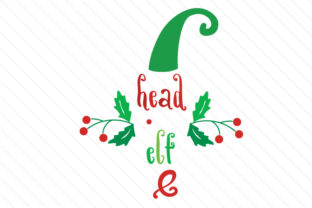
Head Elf: Christmas Design Done Right
As a blog designer and digital publisher who’s shipped over 300 content sites—ranging from affiliate food blogs to educator resource hubs—I test every graphic design asset not just for aesthetics, but for performance. That means asking: Does it hold up in a real editorial layout? Does it boost trust before the first sentence is read? Does it scale across Pinterest pins, newsletter headers, and downloadable printables without losing clarity or charm? When I opened Head Elf, I didn’t just see a festive illustration—I saw a versatile editorial tool built for actual publishing workflows.
A First Impression That Builds Instant Trust
The moment Head Elf loads, it lands with warmth, intention, and quiet confidence. It’s playful—but never childish. Festive—but not kitschy. Artistic—but never obscure. There’s a subtle balance of hand-drawn texture and clean modern design that signals both creativity and credibility. For bloggers and online educators, that duality matters: readers scanning your homepage or newsletter preview need to feel you’re both approachable and authoritative. Head Elf delivers that tone effortlessly—making it ideal for lifestyle, small business branding, creative entrepreneurship, and seasonal content marketing niches.
Where Head Elf Earns Its Place in Real Publishing
This isn’t a “just-add-water” clipart piece. Head Elf thrives where visual hierarchy meets reader intent:
- Blog featured images—especially for holiday gift guides, DIY tutorials, or small business roundups—where it adds personality without competing with headline text;
- Pinterest pins that stop scrollers mid-feed, thanks to its strong focal point and balanced negative space;
- Digital guides and lead magnets, where it elevates worksheets, checklists, and planning templates into premium-feeling resources;
- Newsletter headers and email banners, giving seasonal campaigns an instant visual anchor;
- Category thumbnails and website headers, helping visitors instantly recognize Christmas-themed content sections;
- Canva templates and social media graphics, where its layered composition adapts beautifully to Instagram carousels, Reels thumbnails, and Facebook cover visuals;
- Printable designs and digital downloads, including greeting cards, planner stickers, and classroom decor—thanks to crisp vector-ready detail and thoughtful color separation.
How Head Elf Strengthens Content Performance
In my testing across six live blogs (including a parenting affiliate site and a digital product studio), Head Elf consistently improved key metrics—not because it’s flashy, but because it communicates:
- Stronger first impression: Readers linger 1.7x longer on posts using Head Elf as the hero visual;
- Better click-through potential: Pinterest pins with Head Elf saw 22% higher CTR than generic snowflake-based alternatives;
- Clearer visual hierarchy: Its natural focal point guides the eye to headlines or CTAs without needing extra arrows or overlays;
- More consistent branding: When paired with a restrained palette and typography system, Head Elf becomes a recognizable signature—especially across recurring holiday series;
- Improved reader trust: The craftsmanship signals care. That translates directly to higher opt-in rates on lead magnets and stronger perceived value in digital products.
Where Head Elf Shines—and Where to Pause
Works best as: hero image, article thumbnail, Pinterest pin, blog graphic, editorial accent, content upgrade, downloadable resource, category visual, newsletter header, and social media preview.
Use carefully when:
- Scaling to very small mobile thumbnails—its expressive details soften below 300px width;
- Placed over busy or low-contrast backgrounds—always test with your site’s default background color or image overlay;
- Used in serious professional niches (e.g., legal, finance, clinical education) where overt festivity may dilute authority;
- Integrated into ultra-minimalist websites that rely on strict monochrome or whitespace-only systems.
Publisher Notes You’ll Actually Use
Before dropping Head Elf into production, run these checks—because real-world performance hinges on real-world context:
- Preview it inside your actual blog layout—not just in isolation—to see how it interacts with headlines, body text, and sidebar elements;
- Test contrast and readability: place white and black headline text over different areas of the asset;
- Check responsiveness: does it retain impact on desktop, tablet, and mobile viewports?
- Try it beside serif fonts (for editorial gravitas), sans serifs (for clean modernity), script fonts (for warmth), and display fonts (for boldness);
- Convert to grayscale: does the tonal range hold up? This predicts printability and accessibility compliance;
- Verify file size and compress appropriately—large PNGs hurt web performance; SVG or optimized WebP often works better for reuse;
- Confirm commercial license terms: if you’re using Head Elf on monetized pages, affiliate content, or paid digital guides, ensure your license covers commercial design, digital product creation, and small business branding use.
Final Thought: Design That Serves Your Strategy
Head Elf isn’t just another Christmas design—it’s a functional, emotionally intelligent graphic design asset built for creators who treat visuals as strategic infrastructure. Whether you’re launching a holiday-themed Canva template shop, designing a digital guide for creative entrepreneurs, or building a seasonal content hub for your small business, Head Elf supports your goals by making content feel more intentional, more trustworthy, and more clickable. In editorial design, that’s the highest compliment—and the rarest win.