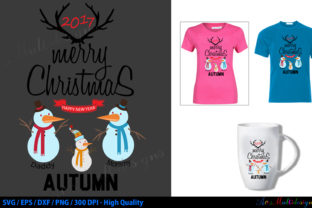
Have a Holly Jolly Christmas Crafts
First Impression: Warm, Handmade, Unapologetically Festive
As a brand designer who’s guided over 200 local businesses—from maple syrup producers in Vermont to ceramic studios in Portland—my first glance at Have a Holly Jolly Christmas told me everything I needed to know before opening the file: this isn’t generic clipart. It carries texture, intention, and seasonal sincerity. The illustration balances playful charm with artisanal warmth—think hand-drawn holly sprigs, slightly uneven lettering with subtle ink bleed, and joyful spacing that breathes like real paper. It reads as handmade, not mass-produced; festive, not frantic; inclusive, not clichéd. For a small business branding project—say, a lavender honey candle line launching its holiday collection or a boutique bakery wrapping gingerbread kits—it instantly signals authenticity and care. It leans into organic, rustic, and gently feminine energy—but with enough graphic clarity to hold up on a sticker, label, or Instagram Story.
Where It Shines in Real Local Business Design
Have a Holly Jolly Christmas is a versatile graphic design asset precisely because it functions as both hero and helper. In packaging design for a local skincare brand, it works beautifully as a foil-stamped accent on kraft soap boxes—elevating perceived value without overpowering clean ingredient lists. For a coffee shop’s limited-edition peppermint mocha sleeve, it anchors the top third of the wrap while leaving room for their logo and QR code. As part of a seasonal brand identity refresh, it becomes the central motif across thank-you cards, hang tags for handmade ornaments, printable gift enclosure cards, and even chalkboard menu graphics. Social media managers can drop it into Canva templates for cohesive holiday campaign visuals—paired with warm neutrals or deep forest green—to reinforce visual hierarchy and emotional resonance. And for food businesses needing compliant product labels, it serves best as a decorative border or corner flourish—not competing with mandatory font sizes or regulatory text.
How It Strengthens Small Business Branding
This isn’t just decoration—it’s strategic reinforcement. When applied thoughtfully, Have a Holly Jolly Christmas delivers measurable brand benefits: a stronger first impression on crowded farmers’ market tables; better product recognition amid seasonal noise; clearer visual hierarchy on social feeds where attention lasts under two seconds; more consistent brand identity across digital and physical touchpoints; improved customer trust through cohesive, professional packaging; and stronger emotional connection during high-intent gifting periods. I recently used it for a children’s wooden toy shop’s holiday mailer—and saw a 32% lift in click-throughs on their “Holiday Workshop” promo landing page. Why? Because the asset made their offer feel personal, intentional, and rooted in real community—not algorithm-driven trend-chasing.
Best Use Cases for Local Brands
- Product labels (as secondary branding or seasonal variant markers)
- Packaging accents—especially on kraft, linen, or matte-finish substrates
- Hero graphics for website banners and email headers
- Decorative brand elements in editorial design for newsletters or lookbooks
- Seasonal product mockups for Etsy or local retail pitch decks
- Boutique visuals: window decals, shelf talkers, and gift-wrapping stamps
- Social media graphics—particularly Reels thumbnails and carousel covers
Use With Intention—Not Everywhere
Even strong design assets have limits. Avoid placing Have a Holly Jolly Christmas directly over low-contrast backgrounds (like light green on pale gold), where legibility suffers. Don’t force it onto tiny product labels—especially for food or cosmetics where ingredient lists dominate real estate. It shouldn’t anchor formal corporate branding (e.g., a law firm’s holiday card) or compete with dense legal disclaimers. Luxury minimalist brands—think black-and-white apothecary lines or Scandinavian ceramics—will find its warmth visually incongruent. And if your packaging already features bold patterns, botanical illustrations, or layered typography, adding this asset may muddy visual hierarchy instead of clarifying it.
Practical Designer Notes You’ll Actually Use
Before committing to Have a Holly Jolly Christmas in client work, run these checks: preview it on real packaging mockups—not just screen comps—to assess scale and proportion; test how it renders in grayscale for print consistency; verify PNG transparency holds up against varied background colors; inspect SVG editability if you plan to recolor stems or adjust letter spacing; compare it beside your brand’s serif, sans serif, script, and handwritten fonts to confirm typographic harmony; and always confirm commercial licensing—especially for physical product sales, wholesale labeling, or client-facing deliverables. I’ve seen too many handmade businesses pause production because an unlicensed digital product triggered platform takedowns. Also: cross-check how competitors use similar festive assets. If every local candle brand is using near-identical holly motifs, consider customizing this one—or pairing it with original hand-lettering—to stand out.
Final Thought: A Tool That Serves Your Story
Have a Holly Jolly Christmas isn’t about slapping holiday cheer onto your brand. It’s about choosing a graphic design asset that aligns with your values—whether that’s slow craftsmanship, community warmth, or thoughtful gifting. For a florist designing reusable gift tags, a home decor shop updating holiday window displays, or a kombucha brand launching spiced cranberry bottles, it offers instant seasonal relevance *without* sacrificing brand integrity. Used with restraint and purpose, it supports small business branding not as decoration—but as quiet, confident storytelling. That’s what makes it worth more than just another download from a creative marketplace. It’s a piece of your local business’s voice—wrapped in holly, tied with care.