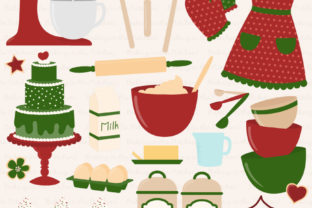
Christmas Baking in the Kitchen
As a designer who’s stitched over 300 holiday-themed embroidery files for clients, shops, and my own small-batch collections, I opened Christmas Baking in the Kitchen expecting charm—and got something more: quiet confidence. It’s not flashy, but it’s deeply considered. The illustration shows a cozy kitchen scene—rolling pin, mixing bowl, whisk, flour-dusted counter, and a steaming mug—with soft linework and gentle negative space. No clutter, no forced whimsy. Just warmth you can *feel* before the needle even moves.
A Real Moment: Stitching This on a Linen-Cotton Tea Towel
Last week, I prepped a batch of holiday kitchen towels for a local boutique—linen-cotton blend, medium weight, natural off-white. I chose Christmas Baking in the Kitchen as the centerpiece because it didn’t scream “Christmas” with glitter or snowflakes; it whispered “home.” That subtlety mattered. When stitched at 4.2" wide with balanced fill and satin stitches, the design held its shape without stiffness. The whisk handle stayed crisp. The steam curl from the mug read clearly—even at lower thread tension. Customers who saw the finished towel in-store paused longer than usual. One said, “It looks like my grandma’s kitchen.” That’s not just aesthetic—it’s emotional resonance baked into the design.
Where It Shines (and Where It Asks for Care)
Christmas Baking in the Kitchen is built for real-world embroidery—not just digital previews. It performs exceptionally well on:
- Medium-weight woven fabrics like cotton twill, linen blends, and canvas—ideal for tote bags, aprons, and pillow covers;
- Sweatshirts and structured knits, especially when paired with light-to-moderate stabilizer (no puckering, even across seams);
- Embroidered patches, where its clean outlines and open composition translate cleanly to heat-applied or sew-on formats;
- Baby items and nursery decor, thanks to its gentle scale and absence of tiny, fragile details that fray under washing;
- Holiday gifts and boutique merchandise, where handmade authenticity matters more than trend-chasing.
But—and this is where experience kicks in—Christmas Baking in the Kitchen isn’t a one-size-fits-all file. Use caution with:
- Small hoop sizes (under 4"): The rolling pin and mug base lose definition if scaled too tightly;
- Thin or loosely woven fabrics like voile or lightweight rayon—stabilizer choice becomes critical to prevent show-through;
- Highly textured surfaces like bouclé or heavy terry cloth—the fine steam line and whisk wires may blur;
- Dark fabric backgrounds: Test thread contrast early. Some light-toned fills (like the mug’s ceramic sheen) need slightly richer thread to stay legible;
- Curved surfaces like caps: The horizontal layout works best on flat or gently contoured areas—not crowns or steep front panels.
What It Does for Your Craft Business
If you’re an Etsy seller, small shop owner, or custom apparel decorator, Christmas Baking in the Kitchen quietly lifts your perceived value. It doesn’t shout “handmade”—it *proves* it. The balanced stitch density avoids that plasticky, over-stuffed look common in rushed holiday files. Customers notice the difference: cleaner edges, breathable spacing between elements, thoughtful thread pathing that minimizes jump stitches. That translates to fewer reworks, faster turnaround, and repeat orders—not because it’s trendy, but because it feels *trusted*.
For digital product sellers, this illustration stands out in listings. Unlike busy clipart-style Christmas files, Christmas Baking in the Kitchen reads beautifully in printable mockups—especially on neutral backdrops. It scales cleanly for social thumbnails and product tags. And because it leans into mood over motif, it pairs seamlessly with other design assets: think coordinating oven mitts, recipe cards, or gift tags—all unified by tone, not matching icons.
Designer Notes You’ll Actually Use
Before stitching Christmas Baking in the Kitchen on your next project, here’s what I do—and recommend:
- Test on scrap fabric first, using your exact stabilizer + thread combo—especially if working with stretch or texture;
- Check thread color contrast on both light and dark backgrounds. A warm cream thread often reads truer than stark white on natural fibers;
- Review stitch density visually—not just in software. Dense fill areas (like the mixing bowl’s shadow) should feel substantial, not muddy;
- Confirm hoop size compatibility. At standard sizing, it fits comfortably in a 5x7 hoop—but verify before hooping delicate garments;
- Inspect small details in black-and-white mockup mode. If the steam curl disappears, adjust fill opacity or thread weight;
- Use proper cutaway or tear-away stabilizer based on fabric weight—not default settings;
- Confirm licensing terms before selling finished embroidered products or reselling the digital embroidery file. This is an Illustrations-category file, so usage rights matter for commercial embroidery and craft business use.
Final Thought: It’s Not Just a Design—It’s a Vibe You Can Sell
Christmas Baking in the Kitchen won’t win awards for complexity—but it earns loyalty for consistency, clarity, and quiet craftsmanship. It’s the kind of machine embroidery design that makes customers say, “I *need* this on my apron,” not “This is cute.” Whether you’re stitching personalized gifts, building a holiday collection for your Etsy shop, or sourcing reliable design assets for client work, this file delivers calm professionalism—not noise. In a season full of visual overload, that’s not just practical. It’s precious.